
Why Macadamia Orchard Development Needs Expert Planning
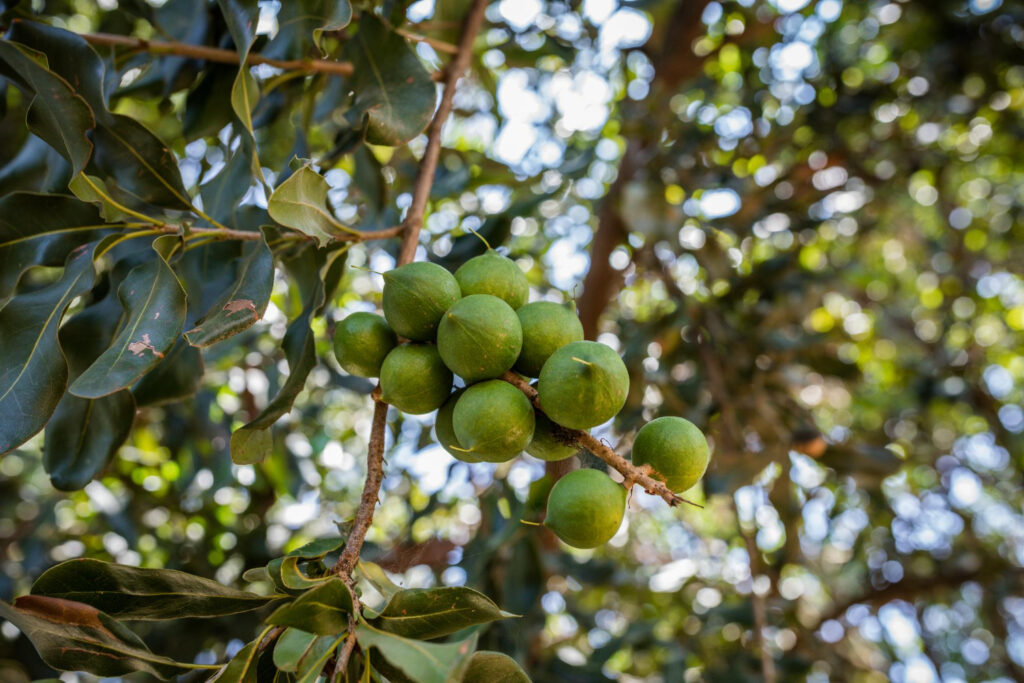
Planning Your Macadamia Orchard for Long-Term Profit
Macadamia orchard development is one of the bigger, longer-term investments many landholders in Northern NSW will make. Trees can stay in the ground for several decades, so decisions made before the first hole is dug will shape yields, costs and stress levels for a very long time. Getting those decisions right is far cheaper than trying to fix problems later.
Thoughtful, expert planning brings together site conditions, tree performance, water security (if relevant) and market expectations so they are working in the same direction. When layout, varieties, irrigation and management systems are aligned, orchards are easier to run and more resilient in dry, wet or volatile seasons. Structured development plans that suit local conditions and individual business goals help set up macadamia orchards for long-term success.
Getting the Site Right Before a Single Tree Is Planted
Good macadamia orchard development starts with asking if the site is genuinely suited to long-term production, not with picking a favourite variety. In Northern NSW, it is important to think carefully about:
- Local weather patterns
- Frost risk in low-lying areas
- Wind exposure on ridges and open slopes
- Aspect and how sunlight falls across the block
Even within one property, some paddocks will consistently outperform others. Understanding those differences helps position macadamias where they have the best chance of long-term success and keep more marginal areas in grazing or alternative uses such as reafforestation with native species.
Soil is the other foundation piece. It is important to understand:
- Soil type and depth
- Structure and compaction areas that might limit root growth
- Drainage, perched water tables and waterlogging risk
- Subsoil constraints that may need amelioration
That often means soil testing and physically assessing profiles before committing to varieties, spacings, row direction or irrigation installation etc. Where needed, deep ripping, contouring, diversion banks or other strategic earthworks can be planned before planting, when it is far easier and cheaper to do.
Layout decisions are where planning really pays for itself. Thought should go into row orientation, row length, block size and shape, habitat pockets and connected corridors through the orchard for pollinators (bees etc.)., machinery access, headlands and room for future expansion or replanting. With a clear development plan, growers can avoid:
- Narrow headlands that are frustrating for larger machinery
- Awkward triangle blocks that waste land and time
- Excessive row lengths that are difficult for practical management (e.g. during harvest)
- Having no space left for sheds, roads or future infrastructure
A considered layout is something growers live with for decades, so it is worth the time up front.
Designing a Macadamia Orchard Around Water and Nutrition
For most areas through the typical Northern Rivers macadamia growing regions irrigation is not necessary however for some (particularly on more marginal lands) it would definitely be of benefit to the property. Before committing to a planting scale on such a property, it is important to work through:
- Realistic water budgeting based on local climate and soil type
- Existing dam capacity and potential to upgrade or add storage
- Licence conditions and security of supply
- Water quality issues
The goal is to match planted area with a water supply that will cope not just in average seasons, but in drier ones as well.
Effective irrigation design is tailored to each site. Factors to consider include:
- Soil type and infiltration rates
- Slope and elevation changes
- Choice of system and emitter type
- Pumping efficiency and energy costs
- Opportunities for automation and monitoring
Nutrition planning begins well before the first bag of fertiliser arrives. A sound strategy includes:
- Base soil correction to address pH and key nutrient imbalances
- Strategic fertiliser blends spread around and just past the root zone
- Allowance for fertigation if the irrigation system is set up for it
- A simple, repeatable monitoring program to track nutrient status
By setting clear nutrition targets and monitoring methods early, growers can avoid guesswork and reduce the risk of over or under feeding young trees.
Choosing Varieties, Spacings and Management Systems
Variety choice is about more than just yield potential. For Northern Rivers conditions it is also important to consider:
- Local pest and disease pressure and variety tolerance
- Kernel quality and kernel recovery expectations
- Compatible partners – for cross pollination
- Timing of natural nut drop and therefore harvest
- Processor preferences and market requirements
Planting a mix of well-suited varieties can help spread risk, but the mix has to be compatible with normal farm operations.
Row and tree spacing is another decision with long-term consequences. Tighter spacings may mean:
- Higher total early yields
- More trees per hectare and higher establishment cost
- Greater demand for regular pruning and canopy management
- A need for smaller machinery
Wider spacings can reduce tree numbers and early production but may simplify long-term management and improve light interception deeper into the life of the orchard. The right answer depends on the budget, long term goals etc.
Whatever spacing is chosen, it needs to fit with a clear management system. That includes realistic plans for:
- Pruning and canopy management over the life of the trees
- Orchard floor management, including trafficability and erosion control
- Orchard machinery – harvesters, sprayers
Budgeting, Risk Management and Staged Development
A full macadamia orchard development and operational budget needs to allow for:
- Earthworks, roads and drainage structures
- Macadamia trees and planting costs
- Fencing and access gateways
- Power supply, sheds and storage
- Machinery, implements and maintenance
- Compliance, approvals and professional advice
- Annual fertiliser, chemical costs, wages (including Superannuation, Workers Compensation), fuel, Government charges, consultants, contractors etc.
Comprehensive budgets and cash-flow forecasts help growers understand likely establishment costs, running costs and the lag between planting and meaningful returns. Sensitivity testing different yield, price and cost scenarios is a practical way to see how exposed the business might be under different conditions.
Staged development can reduce risk and smooth cash flow. Planting in phases allows:
- Testing and refining management on a smaller area first
- Adjusting variety choices based on observed performance
- Spreading capital costs over multiple years
- Matching expansion to available labour, water and finance
Independent agronomy support during establishment provides an extra set of eyes on tree growth, nutrition, pest and disease levels and orchard floor condition. Regular benchmarks help identify blocks that are underperforming early, when replanting or management changes are still practical.
Turning Your Orchard Plan Into Practical Action
A well-considered plan for macadamia orchard development should not live in a folder on the office shelf; it should guide day to day decisions as the project unfolds. When site assessment, layout, water, nutrition, variety choice and budgets are aligned, growers are better placed to build orchards that are resilient, efficient and profitable over the long life of the trees.
For landholders and growers across Northern NSW and the Northern Rivers, taking the time to seek independent, region specific advice before planting or committing to major infrastructure often makes the difference between constantly fighting site limitations and working with a property’s natural strengths. Reviewing existing development plans with fresh eyes can also uncover straightforward changes that reduce risk and improve long-term outcomes for both new and expanding macadamia orchards.
Plan Confident Macadamia Orchard Development With Local Expertise
If you are ready to turn your block into a productive orchard, we can guide you through every stage of macadamia orchard development. At Allen Agri Consulting, we combine on-ground experience with practical planning to help you avoid costly mistakes and set your trees up for long-term performance. Tell us about your goals and constraints and we will tailor a clear, realistic plan for your property. To discuss your project and next steps, simply contact us.